
Patient pathway · No. 06
How treatment works.
Two pathways, depending on what care fits. Most patients follow the standard psychiatric care pathway. A smaller number, after assessment, also enter the ketamine therapy programme.
Treatment is a course, not an event.

Pathway A · Standard psychiatric care.
From first consultation to ongoing review.
- 01
Booking and intake
You contact the practice by phone, email, or the booking form. We confirm an appointment time, send any intake questions, and let you know what to bring (a list of current medications, prior reports, and a brief history if you have one).
- 02
Initial psychiatric consultation
A 60 to 90 minute appointment with Dr. Nabiswa. You walk through your history, current symptoms, what you have already tried, and your goals. The outcome is a working diagnosis (or the next step toward one) and a written plan you understand and consent to.
- 03
Investigations where indicated
Where the clinical picture warrants it, we arrange baseline investigations: blood work, ECG, thyroid function, vitamin levels, or other tests. The purpose is to rule out medical contributors to psychiatric symptoms and to set a safety baseline before prescribing.
- 04
Treatment plan and prescribing
Most plans combine medication tailored to your diagnosis and history, lifestyle support (sleep, exercise, nutrition, structure), psychotherapy referral where indicated, and family or partner involvement at the level you consent to.
- 05
Follow-up and review
Reviews are paced to your recovery: weekly in the early weeks where needed, monthly as you stabilise, and longer intervals once you are well. We adjust medication, monitor for side effects, and update the plan as things change.
- 06
Coordination with other clinicians
Where therapy, paediatrics, obstetrics, neurology, or another specialty is involved, we coordinate directly with the other treating clinicians, with your consent, to keep care joined-up.
Pathway B · Ketamine therapy programme.
For selected adults with treatment-resistant cases.
The ketamine pathway begins from the standard psychiatric assessment. If you are a potential candidate after Steps 1 to 3 above, we move into the programme-specific pathway below. If you are not, we will say so and continue with standard care.
- 01
Eligibility decision
We confirm that your condition is one the programme is designed for (see conditions), that standard treatments have been adequately tried, and that there are no medical or psychiatric contraindications.
- 02
Pre-treatment medical workup
Before any infusion, we complete a thorough medical assessment. Results flag any conditions that need to be optimised first and set a safety baseline.
Baseline investigations- ECG (electrocardiogram)
- Liver function tests (LFTs)
- Thyroid function tests (TFTs)
- 03
Informed consent
We walk you through the benefits, risks, and limits of ketamine therapy and answer every question. Treatment only proceeds when you have given full, informed consent.
- 04
The infusion (or injection)
Two routes of administration are used. A typical session lasts under an hour, with additional time for monitoring before discharge.
Routes of administration- IV infusion. The most widely used method for MDD, anxiety, PTSD, OCD, and chronic pain. Ketamine is delivered slowly through a small IV cannula while you rest in a comfortable, monitored space.
- IM injection. A single injection into the upper arm or thigh, gradually absorbed. Used in selected cases.
- 05
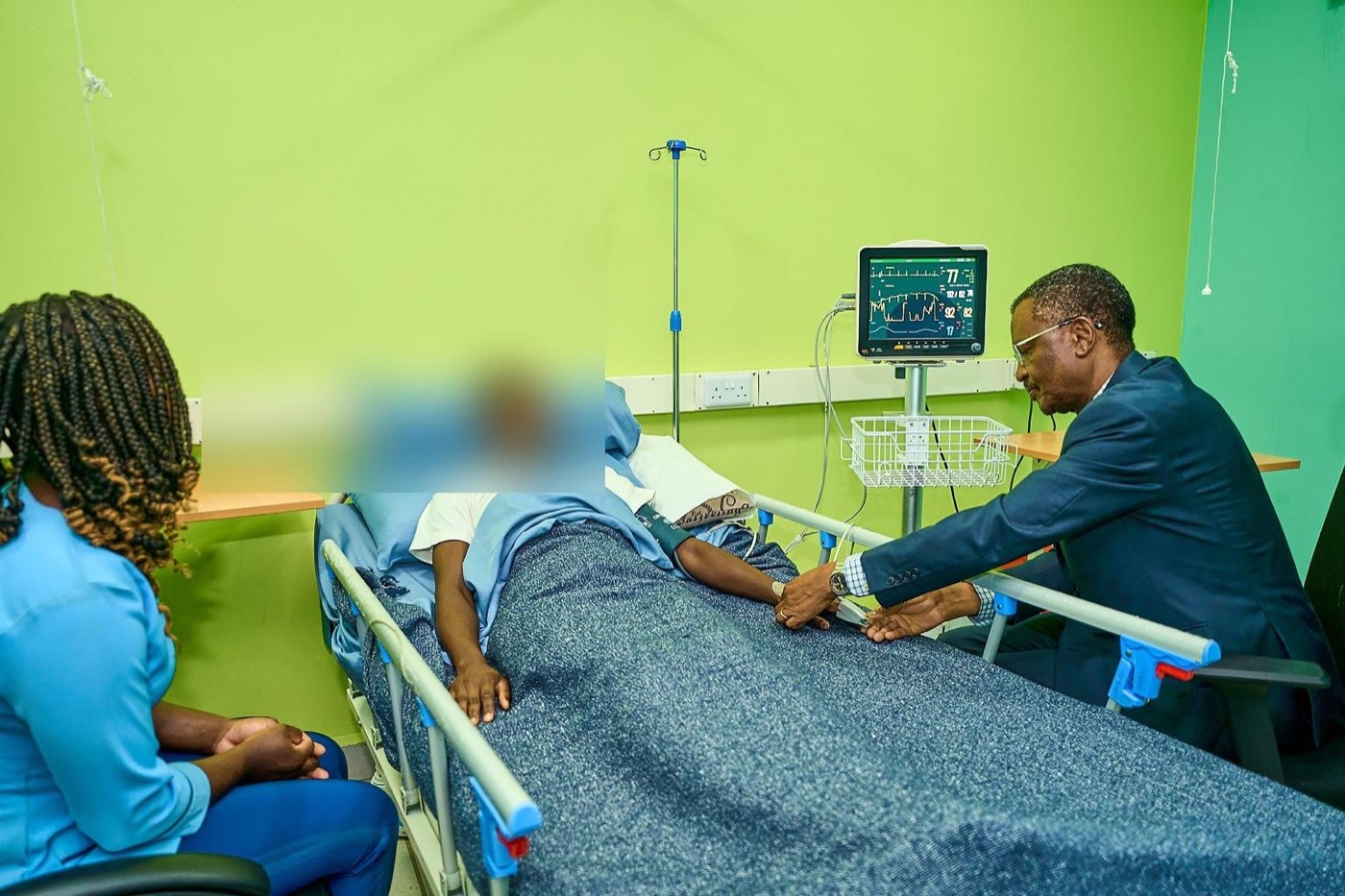
Continuous monitoring
Throughout the session, you are connected to a critical care monitor that tracks heart rate, blood pressure, respiratory rate, and oxygen saturation. The supervising specialist is sedation-trained and ACLS-certified. Read more on safety.
- 06
Recovery and discharge
You rest in a calm space until the immediate effects wear off and a specialist clears you to go home. Arrange for someone to accompany you home; do not drive on the day of treatment.
- 07
Follow-up and ongoing care
A typical course is a series of sessions over two to three weeks, followed by maintenance sessions tailored to your response. The ketamine programme runs alongside, not instead of, your broader psychiatric care: medication review, therapy, and lifestyle support continue throughout.
Plain reminder
Most patients are well cared for through Pathway A alone. The ketamine programme is added when, and only when, the assessment supports it. We never start an infusion without consent, and we never rush a discharge.
Parklands Mindcare Centre · Treatment standards
See our safety and monitoring standards.
Hospital-grade vigilance for the ketamine programme, alongside the everyday clinical standards (confidentiality, evidence-based prescribing, clear consent) that govern the rest of the practice.
Read about safety