Layer 1 · Clinic-wide standards
How we run the practice.
01. Confidentiality
Your records and the content of your appointments are treated as clinical, not optional. Information is shared only with your consent, except in the limited circumstances where Kenyan law or professional duty requires otherwise (notably, imminent risk of serious harm).
02. Evidence-based prescribing
Medication is chosen against current psychiatric evidence and adjusted for your history and tolerance. We avoid prescribing what is not indicated, and we are willing to deprescribe where the evidence and your situation support it.
03. Informed consent
For any treatment, prescription, or referral, you receive a clear explanation of the benefits, risks, alternatives, and what we expect, in language you can ask follow-up questions about. Treatment proceeds only with your consent.
04. Adolescents and consent
For adolescent patients we work within Kenyan guidelines on consent and parental involvement, calibrating disclosure to what the young person agrees to and what safety requires.
Layer 2 · Ketamine programme
Hospital-grade monitoring for every infusion.
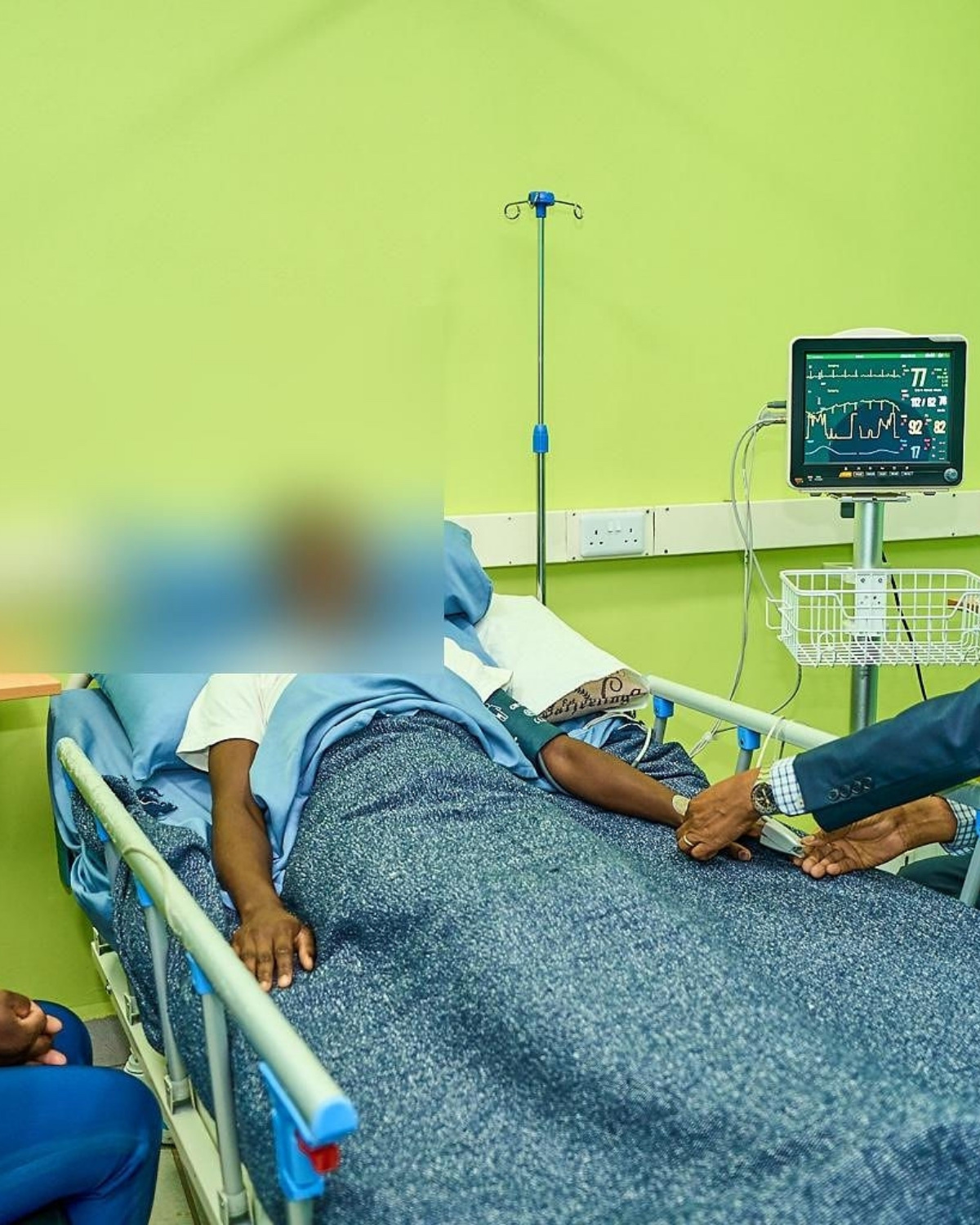
Ketamine has one of the strongest safety profiles among anaesthetic agents, which is part of why it has been used for decades, including in remote and resource-limited surgical settings. Used appropriately, it does not significantly affect breathing or blood pressure. That said, every patient receiving ketamine therapy at Parklands Mindcare Centre is treated with the same vigilance you would expect in a hospital setting.
Every infusion is supervised by a ketamine therapy specialist who:
- Has completed sedation training
- Holds current ACLS (Advanced Cardiac Life Support) certification
- Is responsible for both administering treatment and clearing you for discharge
Vital sign monitoring
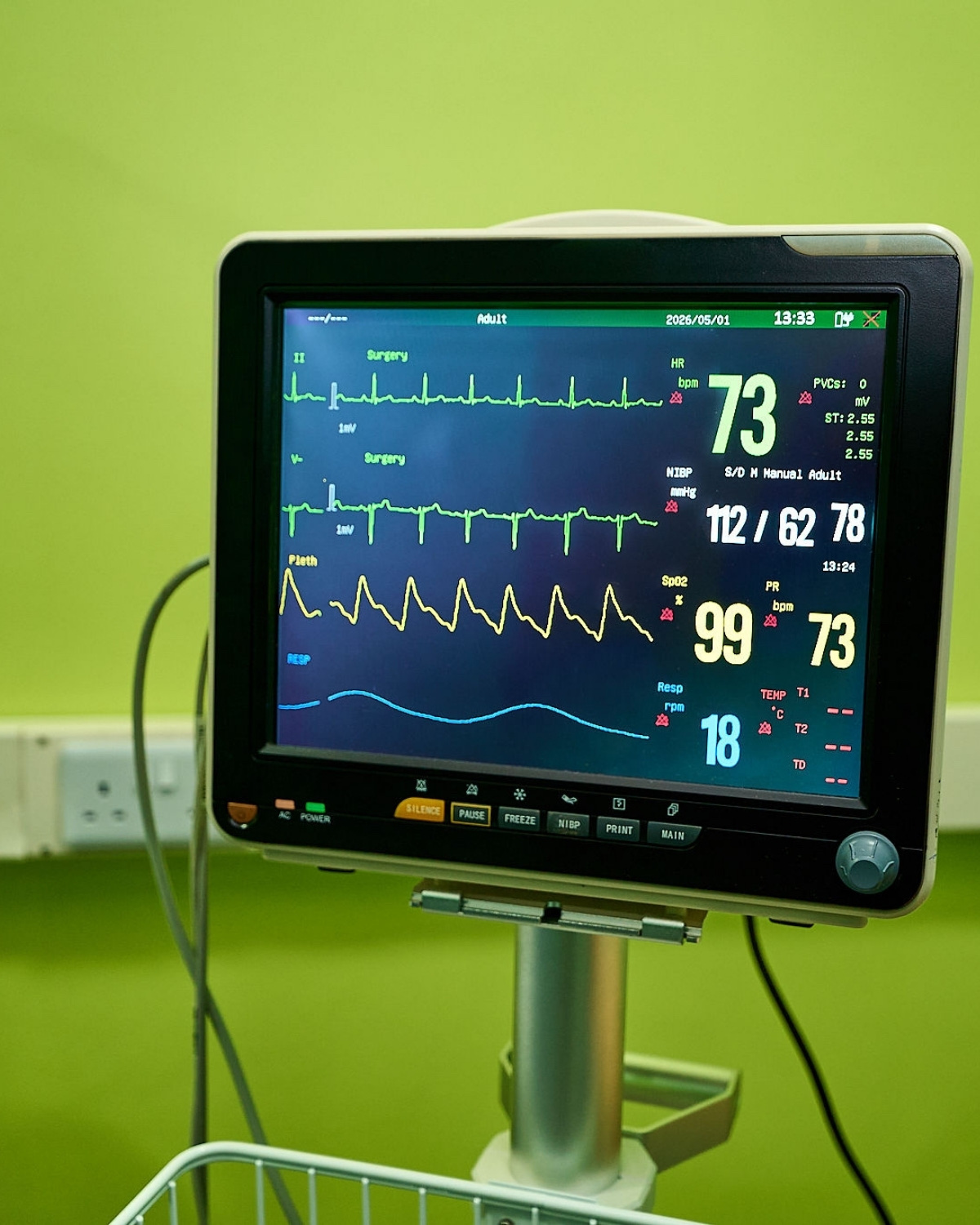
Throughout the session and recovery period, you are connected to a critical care monitor tracking:
We continue monitoring until you have fully returned to baseline and have been formally cleared for discharge.
Addiction profile
Why ketamine has a low addiction profile in this setting.
At the low, carefully titrated doses used in clinical psychiatric practice, and when administered by trained healthcare professionals, ketamine has a minimal risk of addiction or misuse. This is fundamentally different from recreational, high-dose, or unsupervised use.
When ketamine is not appropriate.
We do not offer ketamine to every patient who asks for it. Pre-treatment screening exists to identify cardiovascular, psychiatric, and substance-use conditions that would make treatment unsafe. If ketamine is not the right choice for you, we will say so, and continue with standard psychiatric care or refer where that fits better.
Important
Parklands Mindcare Centre is an outpatient practice and does not provide emergency psychiatric crisis response outside clinic hours. In a mental health emergency, please attend your nearest hospital emergency department or call Kenya's emergency services.
Parklands Mindcare Centre · Scope of care
Read frequently asked questions.
Plain answers on what to expect from a first appointment, fees, referrals, and the ketamine programme specifically.
Read FAQ