01 · ConsultationPsychiatric consultation and assessment
An initial 60 to 90 minute appointment with Dr. Nabiswa to understand your history, current symptoms, what you have already tried, and your treatment goals. The outcome is a working diagnosis (or a clear next step toward one) and a plan you understand and consent to.
02 · PharmacologyMedication management
Evidence-based prescribing of antidepressants, anxiolytics, mood stabilisers, antipsychotics, sleep medication, and pharmacotherapy for addiction, with regular review for response and side effects. Dr. Nabiswa specialises in psychopharmacology and complex regimens.
03 · ReviewOngoing psychiatric care
Follow-up appointments paced to your recovery: weekly in the early weeks where needed, monthly as you stabilise, and longer intervals once you are well. Care is structured but not formulaic.
04 · LifestyleLifestyle and prevention
Sleep, exercise, nutrition, and structure are not optional extras. They are built into every plan, alongside medication and therapy, because the evidence says they matter.
05 · CoordinationPsychotherapy referral
We do not provide weekly talk therapy in-house, but we work with a trusted network of psychologists and counsellors in Nairobi. Where therapy is the right next step, we will refer and stay in coordination with your therapist.
06 · DocumentationLetters, reports, and second opinions
Reports for employers, schools, courts, or insurers, when clinically appropriate. Second opinion consultations for patients already in care elsewhere who want a fresh psychiatric review.
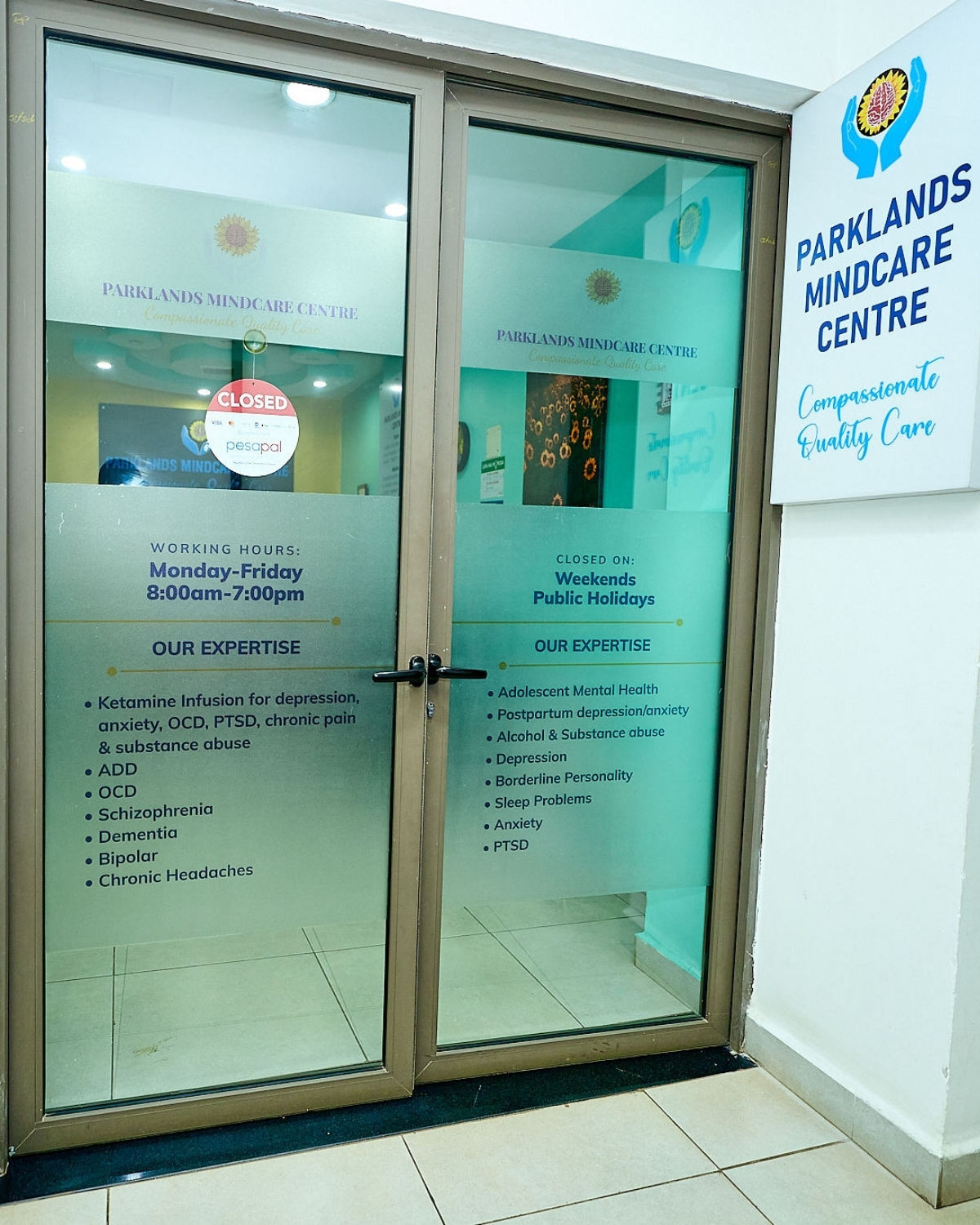
A · DepressionDepression
Major depressive disorder, persistent depressive disorder, and depression in the context of medical illness. We treat the full spectrum, from a first episode to recurrent and treatment-resistant cases. First-line care is medication and lifestyle support. Treatment-resistant depression may be considered for the ketamine programme.
B · AnxietyAnxiety
Generalised anxiety disorder, panic disorder, social anxiety, and health anxiety. Standard care combines medication, therapy referral, and skills work. Severe anxiety that has not responded to two or more adequate trials may be considered for the ketamine programme.
C · Trauma / PTSDTrauma and post-traumatic stress disorder
Trauma-related disorders, including PTSD and complex PTSD. We coordinate closely with trauma-focused psychotherapists and use evidence-based pharmacotherapy. Ketamine can be considered as an adjunct in selected cases to help patients tolerate and process traumatic memories.
D · PostpartumPostpartum depression and anxiety
Mood and anxiety disorders in the perinatal period: postpartum depression, postpartum anxiety, intrusive thoughts, postpartum OCD, and birth trauma. Treatment plans take breastfeeding compatibility and infant safety into account.
E · AdolescentAdolescent mental health
Psychiatric assessment and care for teenagers, including depression, anxiety, self-harm, school refusal, ADHD, and early-onset mood disorders. Parental involvement is calibrated to what the young person consents to and what safety requires. The ketamine programme is not offered to minors.
F · AddictionAlcohol and substance use
Outpatient psychiatric care for alcohol use disorder and substance use disorders, including pharmacotherapy for cravings and relapse prevention. We refer to inpatient rehabilitation when that level of care is needed and stay involved through aftercare.
G · BipolarBipolar disorder
Diagnosis and ongoing management of bipolar I and II, including mood-stabilising regimens. Bipolar depression that has not responded to standard care may be considered for the ketamine programme alongside the underlying mood-stabilising plan.
H · SleepSleep problems
Insomnia, circadian rhythm problems, and sleep disturbance secondary to depression, anxiety, PTSD, or medication. We start with sleep hygiene and behavioural strategies, and use pharmacology only when the evidence and the case support it.
I · NeuropsychiatryBehavioural and psychiatric complications of neurological disorders
Mood, behavioural, and cognitive symptoms arising in the context of neurological conditions including dementia, Parkinson's disease, and epilepsy. Dr. Nabiswa's neuropsychiatry background allows him to address these alongside the underlying neurological care, in close coordination with neurology.
In one paragraph
Kenya's first low-dose ketamine therapy programme for psychiatric conditions, running since
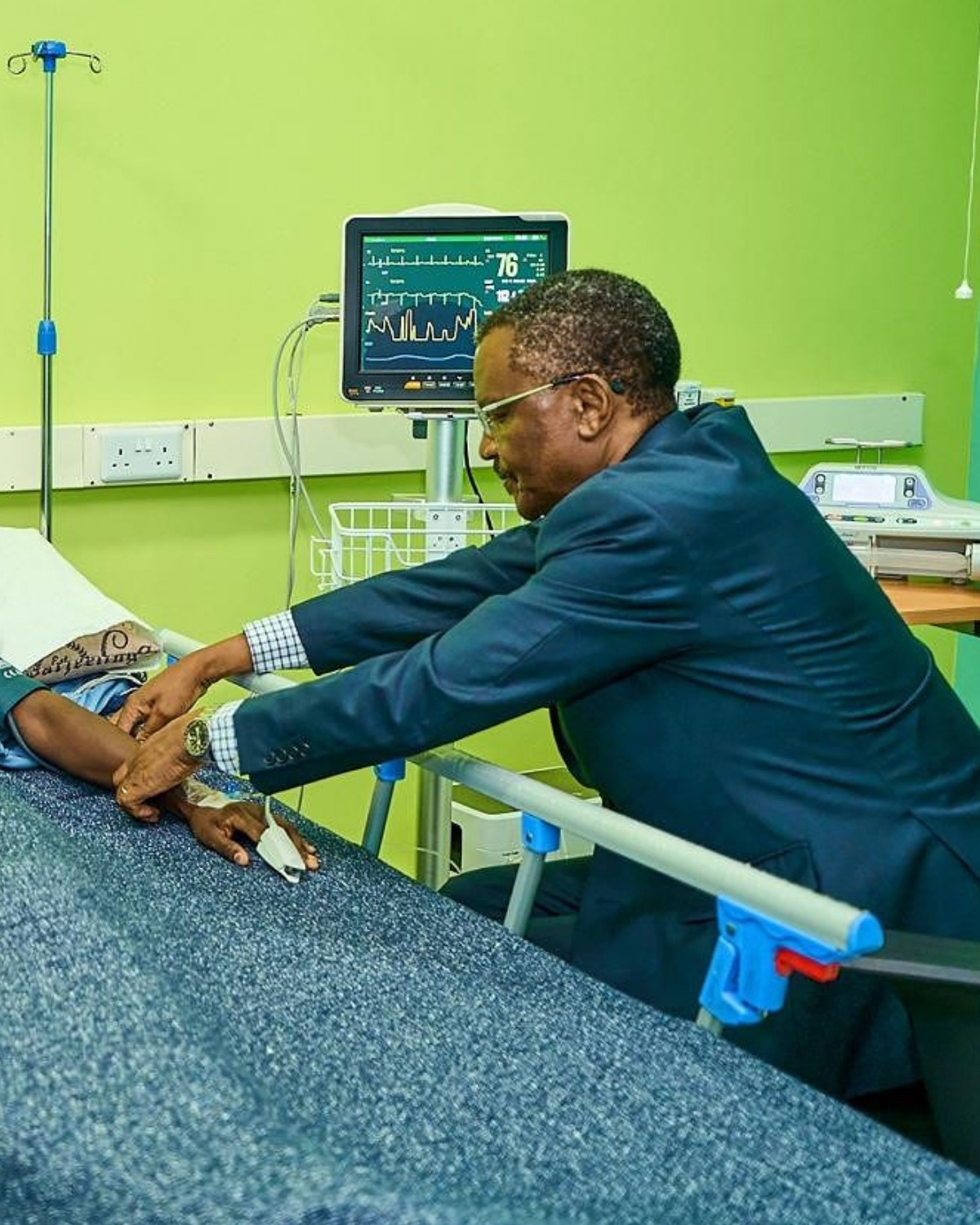
2019. Every session is supervised by an ACLS-certified specialist with continuous
critical-care monitoring of heart rate, blood pressure, respiration, and oxygen saturation.
Suitability is decided after a thorough psychiatric and medical workup. We do not offer ketamine to every patient who asks for it.
Our specialty offering, and the one Dr. Nabiswa is best known for. Ketamine therapy is a
monitored, low-dose, hospital-grade programme reserved for adults with severe and
treatment-resistant conditions where standard care has not worked: treatment-resistant
depression, severe anxiety, PTSD, OCD, suicidal ideation, and certain chronic pain syndromes.
It is not the centre of the practice. It is one of the tools we use, and we will tell you
honestly whether it is right for you.
A short, honest list. If you need any of the below, we will help you find the right place rather than improvise.