01 · DepressionDepression
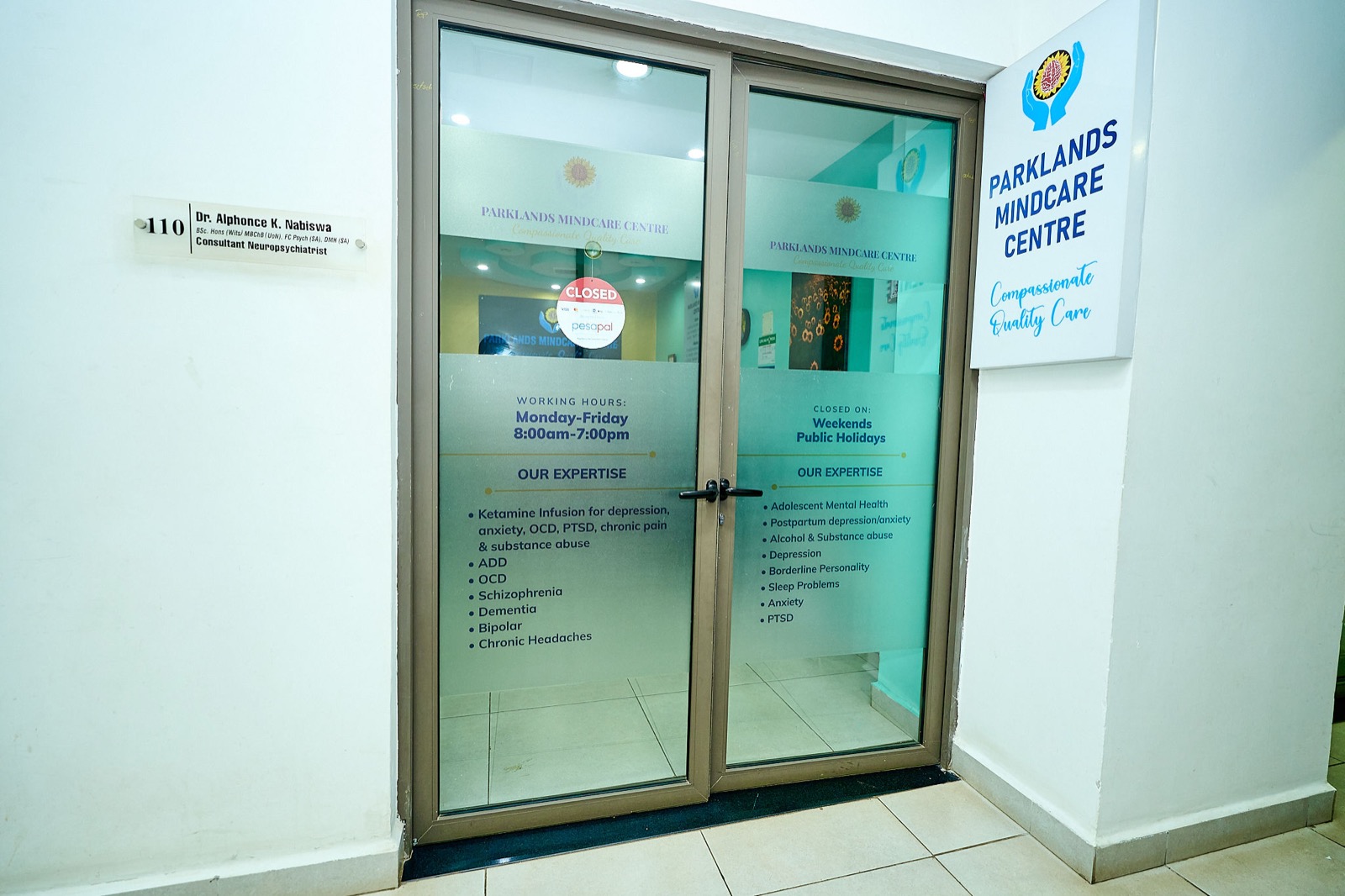
Major depressive disorder, persistent depressive disorder, and depression in the context of medical illness. We treat the full spectrum, from a first episode to recurrent and treatment-resistant cases. First-line care is medication and lifestyle support. Treatment-resistant depression may be considered for the ketamine programme.
02 · AnxietyAnxiety
Generalised anxiety disorder, panic disorder, social anxiety, and health anxiety. Standard care combines medication, therapy referral, and skills work. Severe anxiety that has not responded to two or more adequate trials may be considered for the ketamine programme.
03 · PTSDPost-traumatic stress disorder
Trauma-related disorders, including PTSD and complex PTSD. We coordinate closely with trauma-focused psychotherapists and use evidence-based pharmacotherapy. Ketamine can be considered as an adjunct in selected cases to help patients tolerate and process traumatic memories.
04 · PostpartumPostpartum depression and anxiety
Mood and anxiety disorders in the perinatal period: postpartum depression, postpartum anxiety, intrusive thoughts, postpartum OCD, and birth trauma. Treatment plans take breastfeeding compatibility and infant safety into account.
05 · AdolescentAdolescent mental health
Psychiatric assessment and care for teenagers, including depression, anxiety, self-harm, school refusal, ADHD, and early-onset mood disorders. Parental involvement is calibrated to what the young person consents to and what safety requires. The ketamine programme is not offered to minors.
06 · AddictionAlcohol and substance use
Outpatient psychiatric care for alcohol use disorder and substance use disorders, including pharmacotherapy for cravings and relapse prevention. We refer to inpatient rehabilitation when that level of care is needed and stay involved through aftercare.
07 · BPDBorderline personality
Psychiatric care for borderline personality and related complex presentations, with realistic, patient goals around stability, safety, and quality of life. We coordinate with DBT and schema-focused therapists.
08 · SleepSleep problems
Insomnia, circadian rhythm problems, and sleep disturbance secondary to depression, anxiety, PTSD, or medication. We start with sleep hygiene and behavioural strategies, and use pharmacology only when the evidence and the case support it.
09 · BipolarBipolar disorder
Diagnosis and ongoing management of bipolar I and II, including mood-stabilising regimens. Bipolar depression that has not responded to standard care may be considered for the ketamine programme alongside the underlying mood-stabilising plan.
10 · OCDObsessive-compulsive disorder
OCD and related disorders. First-line care is SSRI pharmacotherapy and exposure-based therapy. Severe, treatment-resistant OCD may be considered for the ketamine programme as part of a broader plan.
11 · Suicidal ideationSuicidal ideation
Active suicidal ideation in the context of severe depression. One of ketamine's most important properties is its rapid anti-suicidal effect, often measurable within hours of the first dose. For patients in acute crisis we coordinate with hospital admission where needed.
12 · Chronic painChronic pain syndromes
Chronic migraine, fibromyalgia, and other chronic pain syndromes with a neuropsychiatric component. Ketamine's NMDA-modulating and anti-inflammatory effects can be useful here in selected cases.
13 · SchizophreniaSchizophrenia and psychotic disorders
Diagnosis, antipsychotic prescribing, and ongoing management of schizophrenia and related psychotic disorders. Care is coordinated with family or carers and other treating clinicians as appropriate.
14 · DementiaDementia and cognitive disorders
Cognitive assessment and supportive psychiatric care for dementia, including pharmacological options for behavioural and psychological symptoms, with referral to neurology where indicated.
15 · ADD / ADHDAttention deficit disorder
Diagnosis and management of attention deficit disorder in adolescents and adults, with structured assessment and pharmacological treatment where appropriate.
16 · HeadachesChronic headaches
Chronic migraine and tension-type headaches with neuropsychiatric components. Pharmacological options are considered alongside lifestyle and trigger management; ketamine may be considered in selected refractory cases.
The vast majority of people who come to Parklands Mindcare Centre are treated effectively
with standard psychiatric care: a thorough assessment, the right medication at the right
dose, sleep and lifestyle support, and therapy where indicated. The specialty ketamine
programme is reserved for severe and treatment-resistant cases.
If ketamine is the right next step, we will say so, and explain why. If it is not, we will
say that too.